-
首頁
-
new訂閱制數位訂閱制 Ivy Engrest 介紹 數位訂閱制 Ivy Engrest 新手攻略new數位訂閱制 優惠方案 註冊享免費體驗 7 天,再送 $150
-
看文章登入註冊
英文學習文章


 訂閱解鎖文章
【JQool * IVY 閱讀森林 6 週陪讀計畫】#week6 演唱會後遺症
Why the Best Night of Your Life Leaves You with the Post-Concert Blues
[閱讀] 中階、日常實用文章#篇章結構 #音樂歌曲 #心靈·療癒 #娛樂·新奇 #JQool 陪跑(公開體驗)
難度|閱讀時間約 6分鐘收藏文章
演唱會觀眾對那股亢奮感再熟悉不過了 ── 前幾個音符響起時,你的心跳加速,而其他一切似乎都無關緊要。
延伸閱讀 >> 臺北動物園之前不是在木柵 動物大搬家The Wildest Parade in Taipei History

包含專欄朗讀聽法、文末線上抄寫與打卡圖生成教學。↓↓↓01:23 文章朗讀與片語跟讀
04:44 學習單字並另存怪獸卡
06:44 上傳圖片完成打卡Step 1完整閱讀文章Why the Best Night of Your Life Leaves You with the Post-Concert Blues
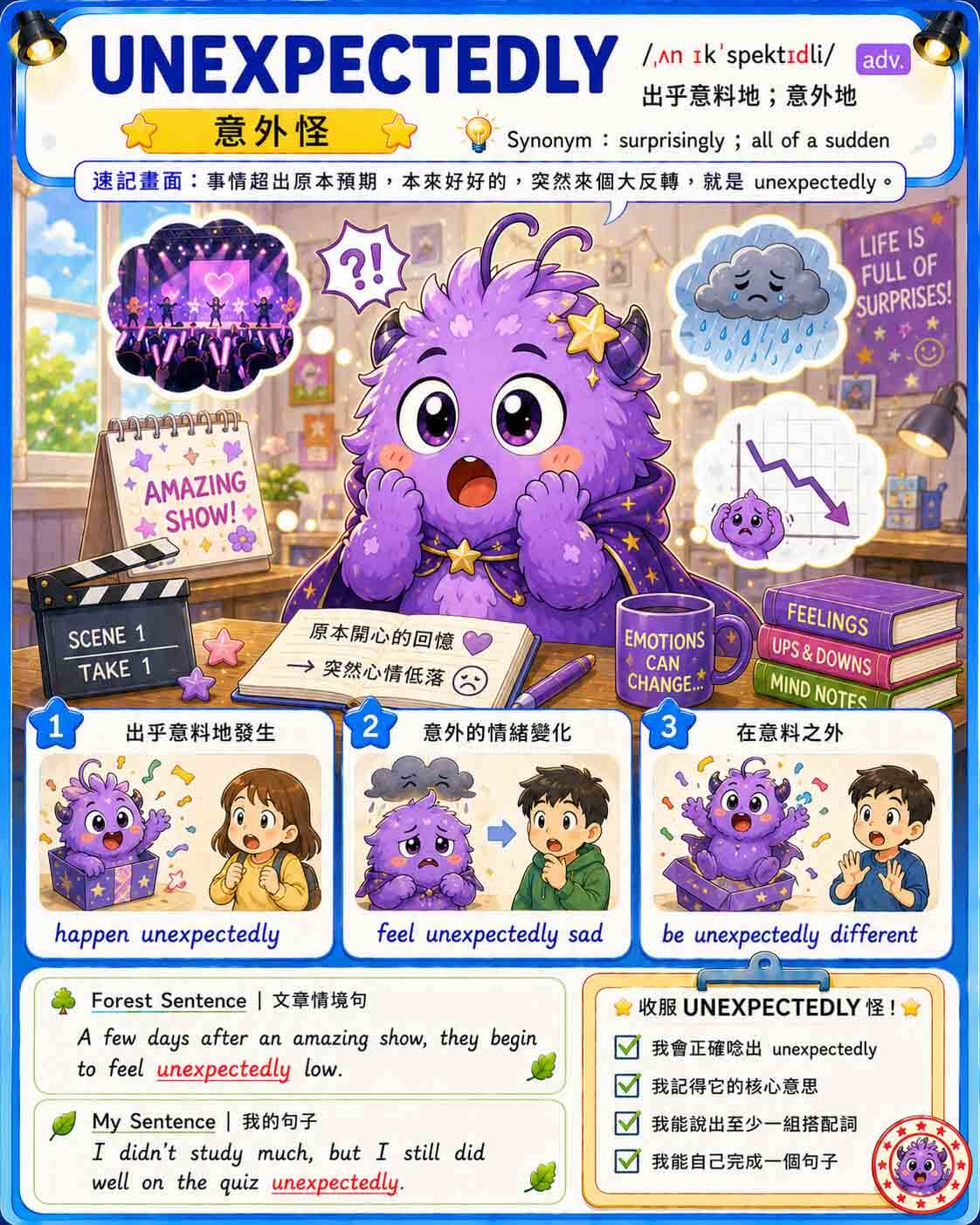
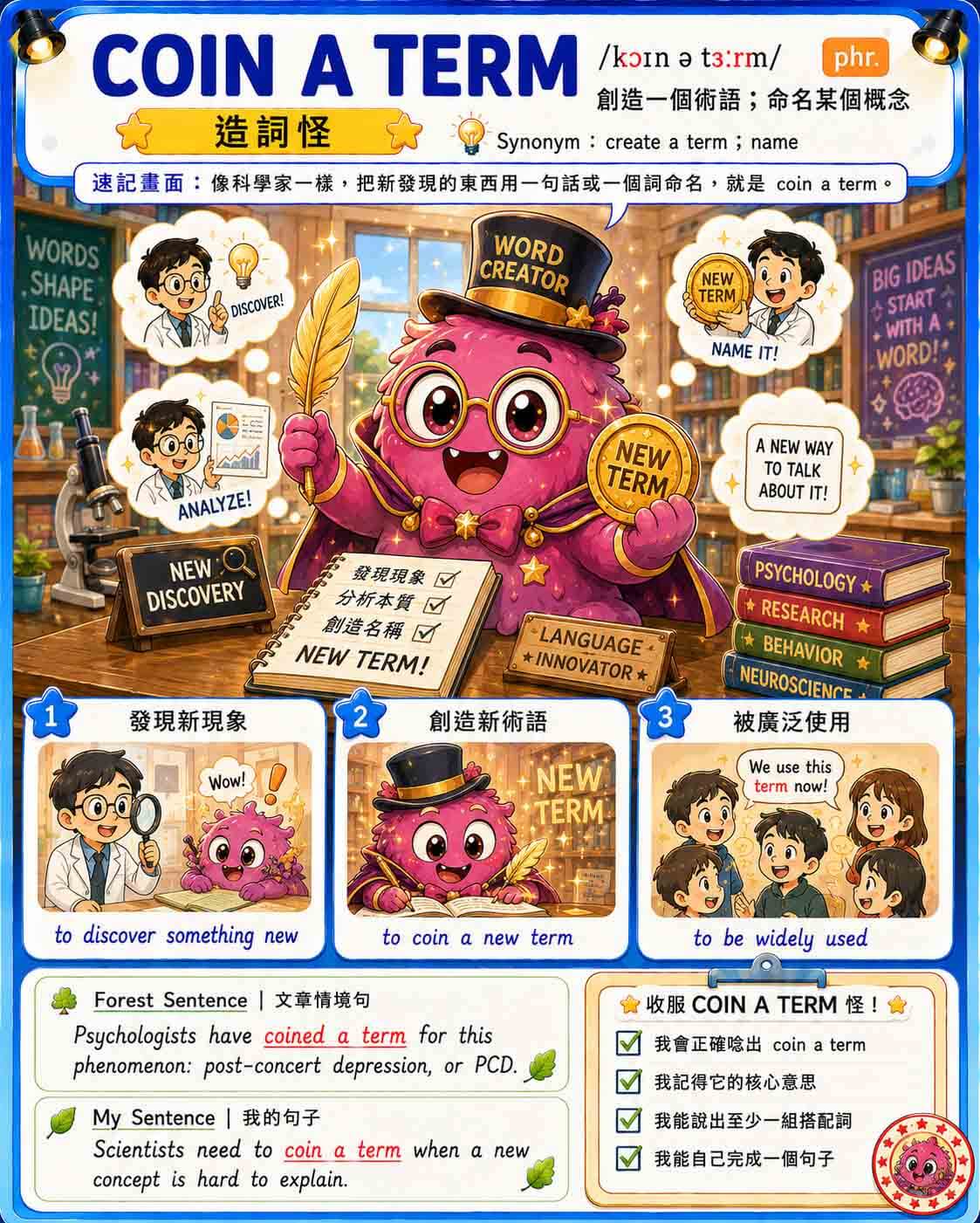
Concertgoers know the rush all too well—the moment the first notes play, your heart races, and nothing else seems to matter. For many, the excitement doesn’t end when the lights come back on. Some fans try to relive❶ the performance by listening to the same songs for days afterward. Others, however, experience a negative reaction. A few days after an amazing show, they begin to feel unexpectedly❷ low. Psychologists have coined a term➌ for this phenomenon: post-concert depression, or PCD.
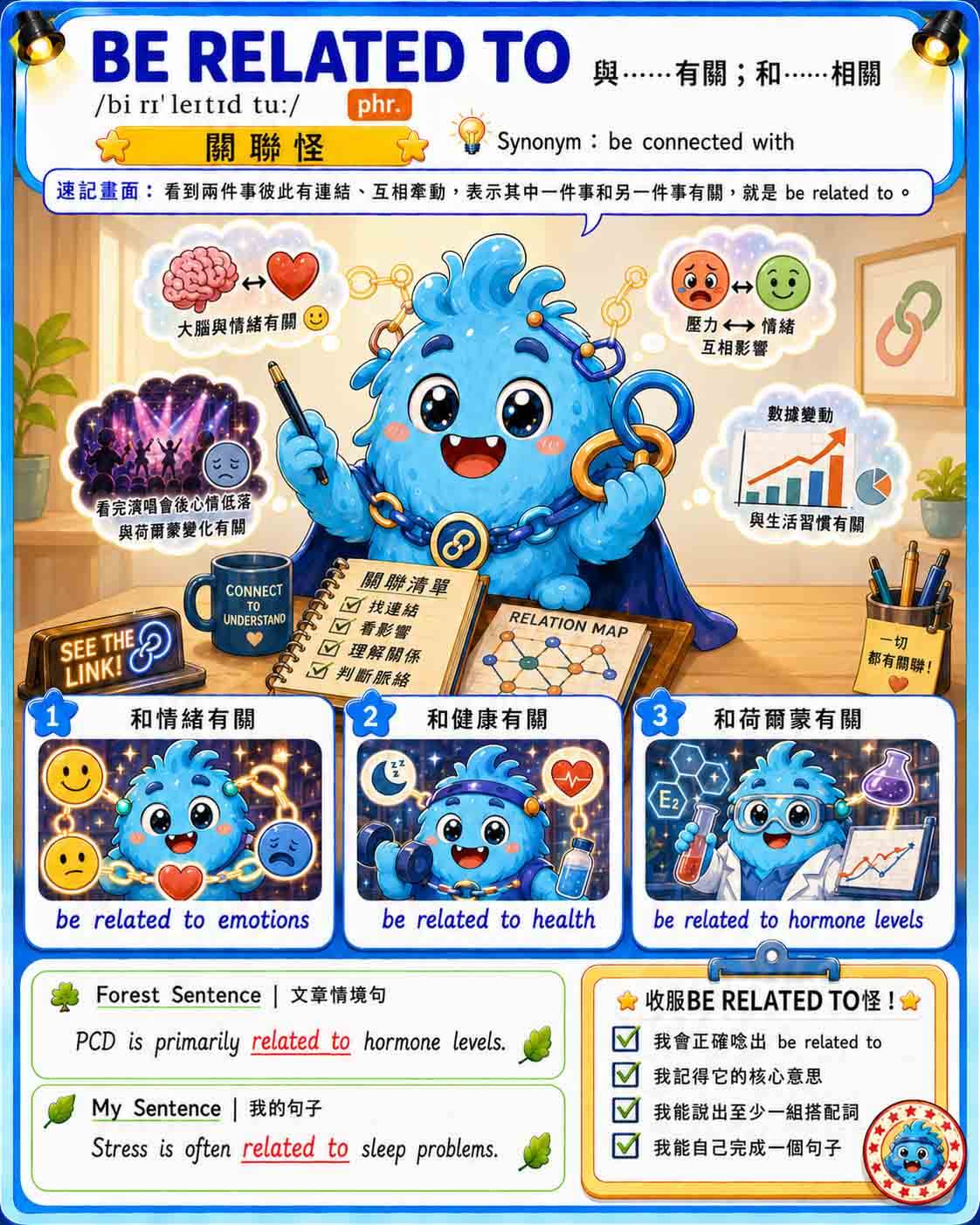
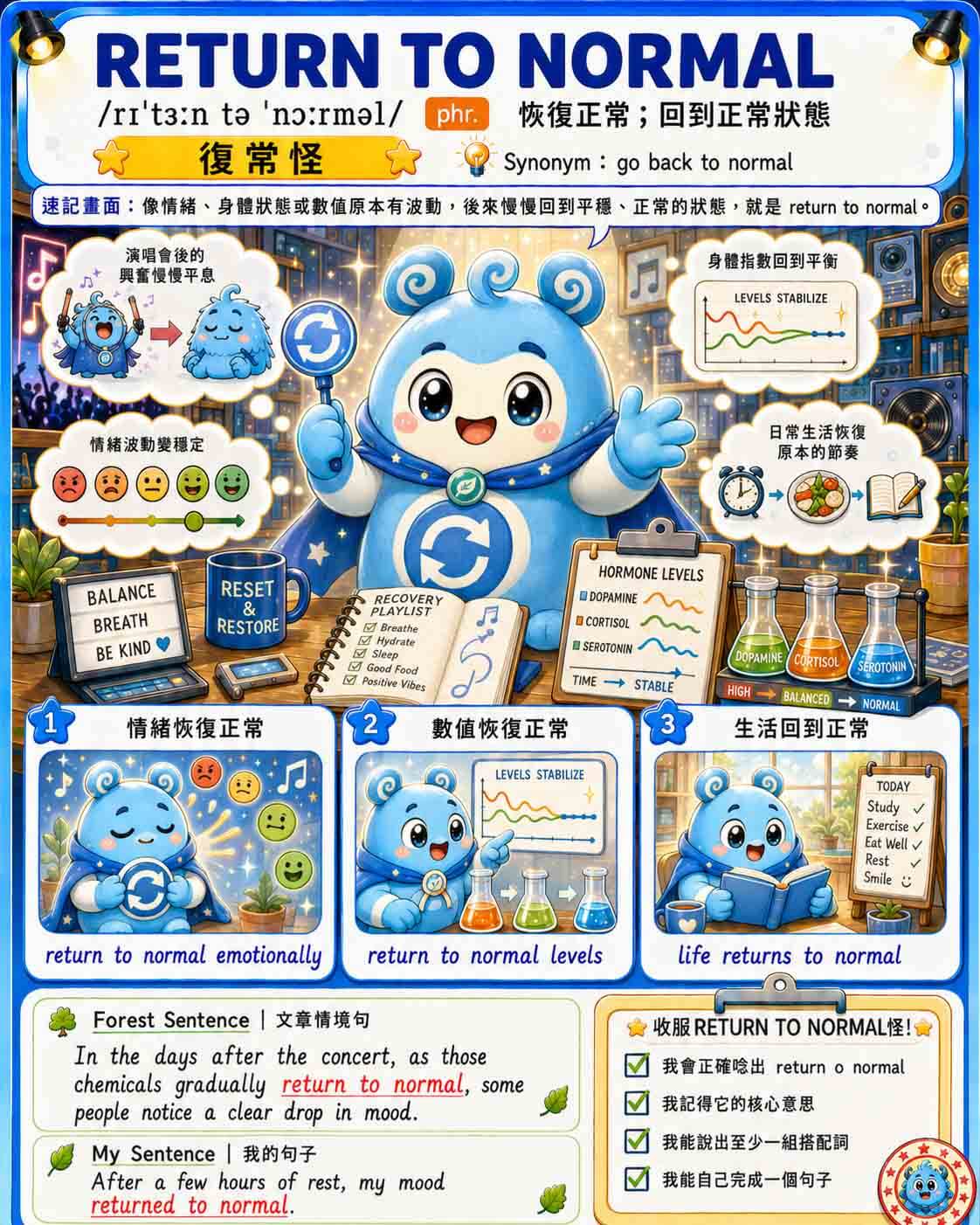
PCD is primarily related to➍ hormone levels. When you’re at a concert, the excitement causes your brain to release feel-good chemicals like dopamine and endorphins. However, your brain can’t maintain these high levels for long. In the days after the concert, as those chemicals gradually return to normal➎, some people notice a clear drop in mood.
The explanation goes beyond just biology, though. Concerts often represent much more than a night of entertainment. For loyal fans, they can become a major part of their identity. Feeling connected to the artist can be incredibly fulfilling. When the event wraps up, it’s natural to have a distinct sense of something missing.
Moreover, concerts create a rare sense of belonging❻ in a world where people often feel disconnected. You’re surrounded by people who are connecting with the same music and sharing the same emotions. The unity people feel at concerts can make the post-concert blues hit harder.
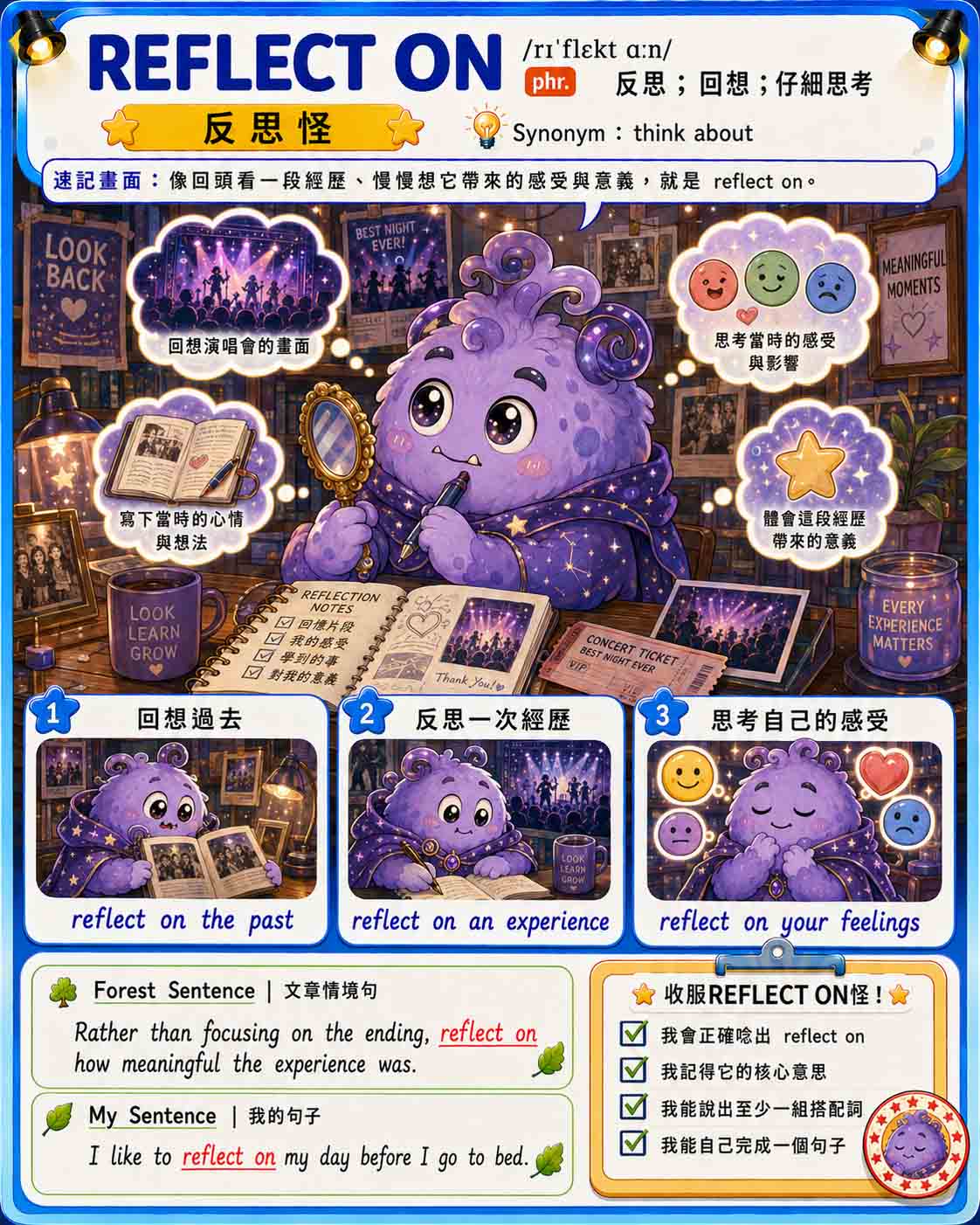
Fortunately, PCD usually doesn’t last long, and there are steps you can take to get through➐ it. Playing your favorite songs from the show can help sustain the emotional connection. Watching videos or looking at photos from the concert can also bring back vivid memories. Rather than focusing on the ending, reflect on➑ how meaningful the experience was. The post-concert low will pass, but the joy and connection you felt will stay with you much longer.
Step 2收服 8 隻單字怪獸已收服:0 / 8▶ 左右滑動瀏覽圖卡!CAPTURED! ✓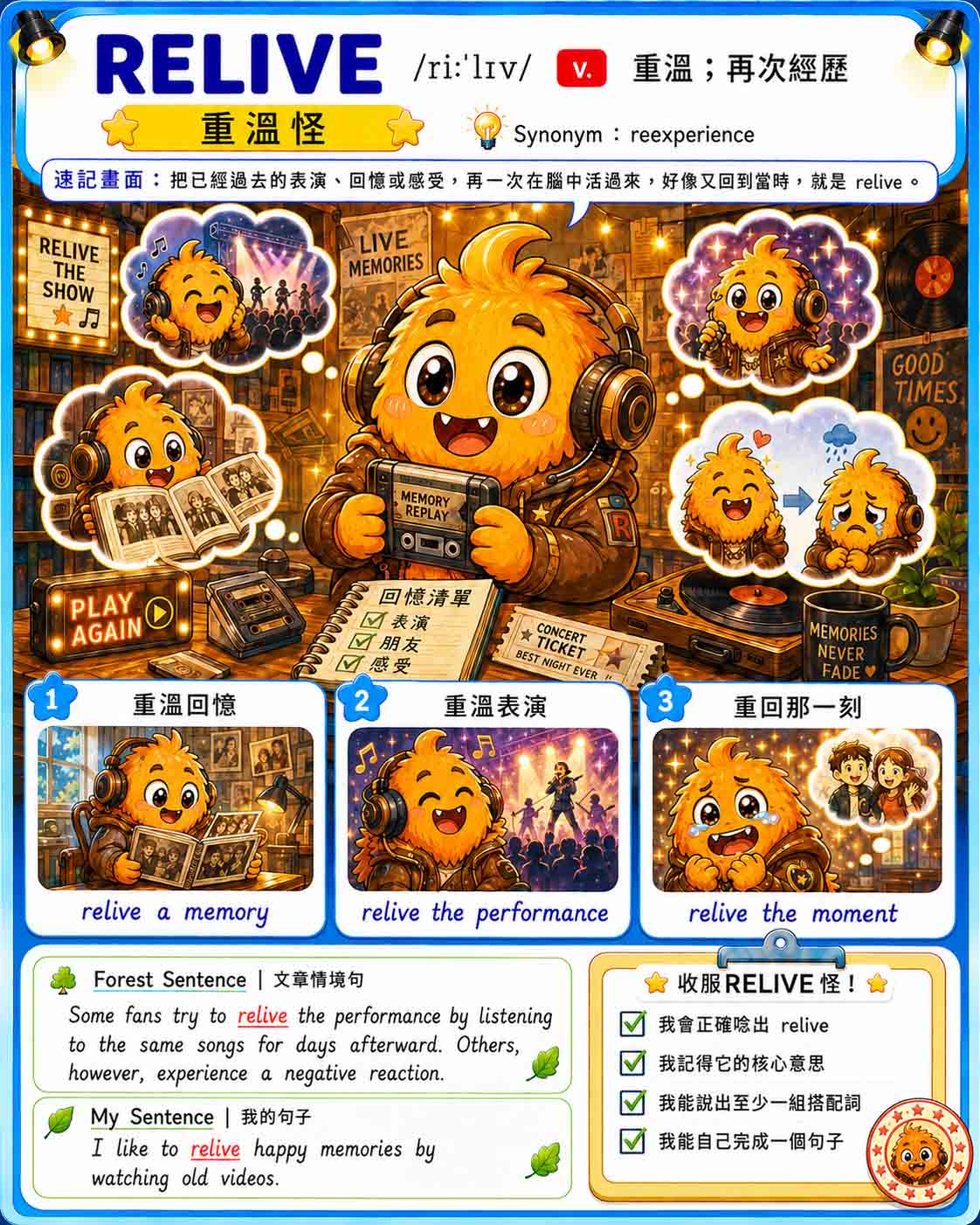 ♡ 點我收服怪獸CAPTURED! ✓
 ♡ 點我收服怪獸CAPTURED! ✓
 ♡ 點我收服怪獸CAPTURED! ✓
 ♡ 點我收服怪獸CAPTURED! ✓
 ♡ 點我收服怪獸CAPTURED! ✓
 ♡ 點我收服怪獸CAPTURED! ✓
 ♡ 點我收服怪獸CAPTURED! ✓
 ♡ 點我收服怪獸
相關讀物
 【加贈90天】 數位訂閱制 365 天(一次付清)【用興趣學英文。把英文變興趣】Turn English into your interest!! ✔ 僅支援線上刷卡,付款成功後立即開通功能權限。恕不提供退貨服務,請務必確認您已了解訂閱制服務後再進行訂購。 ✔ 結帳可享「熊贈點 (查詢)」或「折價券(查詢)」折抵二擇一。 ✔ 以低於 3 折加購嚴選好書。
延伸閱讀 >> 太陽吹來的風 點亮了大地的夜Chasing Lights Written by the Sun
單字片語整理
Words in Use
●relive[ˌriˈlɪv]vt. 重溫Practical Phrases
●coin a term創造一個用語●be related to與⋯⋯有關The artist's paintings are related to the relationship between man and nature.
那名藝術家的畫作是關於人類與大自然之間的關係。●return to normal恢復正常●a sense of belonging歸屬感●get through...度過⋯⋯(難關等)Sam needed some help to get through the difficult training program.
山姆需要一些幫助才能完成這個困難的訓練課程。●reflect on...思考/反省……,深思/考慮⋯⋯I need to reflect on my choices before making a decision.
我需要仔細思考自己的選擇然後再做決定。活動截止 前購買即享
【限時「老訂戶」續訂優惠】到期前續訂一年,只要 $999!
延伸閱讀
關鍵字: #篇章結構 #音樂歌曲 #心靈·療癒 #娛樂·新奇 #JQool 陪跑(公開體驗)
回饋與建議
為了提供更好的閱讀體驗與學習感受,有任何建議或問題歡迎留言讓我們知道,感謝~
英文問題僅回答您對本篇文章的疑慮(發現單字拼錯、文法有問題)等,其他延伸問題恕不提供回答服務。謝謝。