-
首頁
-
new訂閱制數位訂閱制 Ivy Engrest 介紹 數位訂閱制 Ivy Engrest 新手攻略new數位訂閱制 優惠方案 註冊享免費體驗 7 天,再送 $150
-
看文章登入註冊訂閱解鎖文章
國際職場禮儀指南(下) Learning International Business Etiquette
Learning International Business Etiquette
#社交人際 #職場應對
難度 收藏文章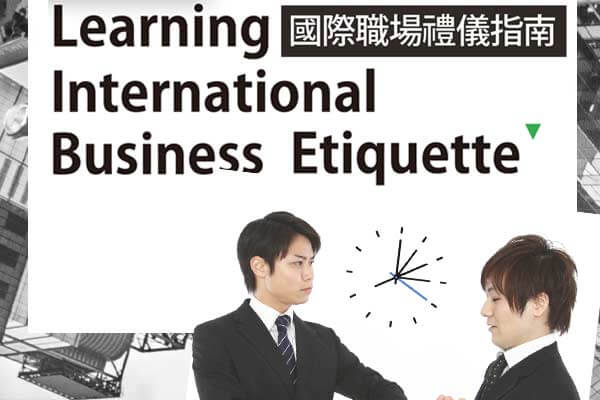
隔天,約翰和愛莉兒相約在辦公室。
>> 數位排毒夏令營:放下手機 走入戶外Touch Grass at Digital Detox Summer Camp
Dialogue B
J: John A: Ariel
The next day, John and Ariel meet at the office.
J: Since we’ll also be meeting Japanese representatives, I went ahead and did some research on their customs.
A: So, what did you find?
J: I read that it’s very bad manners to be late in Japan.
A: That’s right, and when you give out your business card, you should offer it with both hands. I made that mistake the last time I was in Japan.
J: What happened after?
>> 我的社團首選 The School Club I Want to Join
單字片語整理
Words in Use
●n. 習俗;(個人的)習慣adj. 訂製的,特製的It is a Chinese custom for adults to give red envelopes to children during Chinese New Year.
大人過年給小孩紅包是華人的習俗。Judy had breakfast in bed, as was her custom.
茱蒂在床上吃早餐,這是她的習慣。That expensive store only sells custom furniture that fits your house.
那間昂貴的商店只出售配合住家空間打造的訂製傢俱。高中 Level 2●n. 方法;態度;禮貌(恆用複數)=way=attitudeThe little girl answered her teacher’s question in a confident manner.
小女孩很有自信地回答了老師的問題。Jill has changed her manner toward Michael.
吉兒已經改變了她對邁可的態度。Why don’t the couple sitting at the table over there teach their children good manners?
坐那桌的夫妻怎麼不教他們的小孩要懂禮貌呢?多益藍色英檢初級高中 Level 2●●●●●vi. 指向n. 點;觀點;重點;分數vt. 用……對準三態point / pointed [ˋpɔɪntɪd] / pointed [ˋpɔɪntɪd]Harry drew a line between the two points.
哈利在 2 個點之間畫一條線。
I’m just trying to explain my point of view.
我正試著解釋我的看法。
Eileen talked for ten minutes before she got to the point.
艾琳講了 10 分鐘才講到重點。
The team lost the game by only a few points.
那個隊伍只以幾分之差輸了這場比賽。
The little boy pointed at the toy he wanted.
小男孩指著他想要的玩具。
I pointed my camera at the movie star.
我把照相機對準這個電影明星。
The teacher pointed out two grammar mistakes in my essay.
老師指出我文章中的 2 個文法錯誤。
高中 Level 1Practical Phrases
●bad manners沒禮貌,不好的禮儀It is bad manners to talk with your mouth full.
嘴巴塞滿食物時講話是不禮貌的。●good manners有禮貌,好的禮儀●remind sb about sth提醒某人某事Jim's mom reminded him about the homework that he hadn't finished yet.
吉姆的媽媽提醒他他還沒完成的作業。●point at...指向……The little boy pointed at the toy he wanted.
小男孩指著他想要的玩具。
●watch out for...注意/防備⋯⋯Lily told her son to watch out for snakes in the woods.
莉莉告誡她的兒子要小心森林裡出沒的蛇。●do research (on / into...)研究⋯⋯,進行(⋯⋯的)研究Dr. Lee spent years doing research on animal behavior.
李博士花了數年的時間做了關於動物行為的研究。●treat sb with respect尊敬地對待某人本篇內容出自《常春藤解析/生活英語雜誌》,
2026/12/16 00:00 前買享優惠Ivy Engrest 訂戶在訂閱期間訂閱紙本(無贈品版本)再享最低 62折優惠!)>>
【雜誌訂閱】Don't 躲西藏
回饋與建議
為了提供更好的閱讀體驗與學習感受,有任何建議或問題歡迎留言讓我們知道,感謝~
英文問題僅回答您對本篇文章的疑慮(發現單字拼錯、文法有問題)等,其他延伸問題恕不提供回答服務。謝謝。學會了嗎?✋來答題得 熊贈點~
答
題
賺
點
數作者

Enjoy Editors
學英文就是要暢所欲言才夠酷▝ν▘希望讓大家學到更多英文單字、正確發音及最道地的用法,讓我們成為你在英語學習道路上的最佳戰友!歡迎來信給我們鼓勵鼓勵:service@ivy.com.tw