-
首頁
-
new訂閱制數位訂閱制 Ivy Engrest 介紹 數位訂閱制 Ivy Engrest 新手攻略new數位訂閱制 優惠方案 註冊享免費體驗 7 天,再送 $150
-
看文章登入註冊
英文學習文章





- 常春藤中外編輯群
- 發布於 Nov.10,2022
難度|閱讀時間約 4分鐘收藏文章
假如你是會議主持人,你會怎麼主持這場會議呢?
延伸閱讀 >> 詞彙測驗 Vocabulary Test (2026.10)
俗云:最初的印象只有一次,絕不會有第二次的機會。當然,這個論點是指萬事的起頭都很重要。假如你是會議主持人,宣佈會議開始並為會議定出適當基調就是你的責任,無論是正式的語氣或非正式的語氣。本單元除了會討論會議開始的方式之外,同時也會論及提出議程項目的方式。
Greetings and Stating the Purpose 問候並陳述目的
Ex: It's very nice to see all of you here today in the boardroom.
(今天很高興在會議室內見到在座的諸位。)
Ex: Greetings to everyone in attendance at this meeting.
(出席本次會議的諸位,大家好。)
Ex: I want to thank everyone for coming today on such short notice.
(我要感謝諸位接到通知後立即於今日來此開會。)
Ex: The purpose of the meeting today is to discuss the budget.
(今天會議的目的是討論預算。)
Ex: Our goal in this meeting is to set our sales targets for next year.
(這場會議我們的目的是設定明年的銷售目標。)
Ex: Thanks to everybody for coming to this meeting.
(感謝諸位前來參加這場會議。)
Ex: Is everyone here? OK, let's get started.
(大家都到齊了嗎?好的,咱們開始吧。)
Ex: Today, we are going to discuss the year-end party.
(我們今天會討論年終尾牙的事。)Getting Started and Presenting the Agenda 會議開始並提出議程Ex: I think we are all here. Shall we start the meeting?
(我想大家都到齊了。我們現在開會,好嗎?)
Ex: It's 10:05. I think it's time we began the meeting.
(現在是10點5分。我想該是時候開會了。)
Ex: Our first item of business is approval of the minutes from last meeting.
(我們的首要之務是⋯)相關讀物
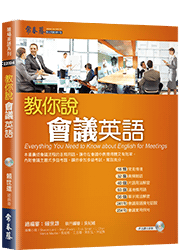 教你說會議英語+1MP3本書囊括會議流程的各類用語,讓你在會議中表現得體又有效率。 內附會議主題式多益考題,讓你參加多益考試,奪取高分。
延伸閱讀 >> 傢俱 Furniture
單字片語整理
Words in Use
●boardroom[ˋbord͵rum]n. (董事會)會議室●●●vt. 安排(開支);規劃(時間等)n. 預算adj. 平價的;低廉的We have to carry out the project on a tight budget.
我們必須在有限的預算下完成案子。We budgeted $3,000 for our month-long trip to Europe.
我們要到歐洲旅遊一個月,預算為 3 千美金。To get the work done on time, you need to learn how to budget your time.
要準時完工的話,你就得學習如何審慎規劃你的時間。The restaurant offers a budget lunch set.
這間餐廳提供了平價的午間套餐。多益藍色英檢中級高中 Level 3●●活動截止2026/11/26 14:00 前購買即享
【加減學一點】工具書66折起
回饋與建議
為了提供更好的閱讀體驗與學習感受,有任何建議或問題歡迎留言讓我們知道,感謝~
英文問題僅回答您對本篇文章的疑慮(發現單字拼錯、文法有問題)等,其他延伸問題恕不提供回答服務。謝謝。學會了嗎?✋來答題得 熊贈點~
答
題
賺
點
數作者
常春藤中外編輯群
嗨,我們是常春藤中外編輯群!由專業外師與資深中師共同組成,包含 嘉華、安安、Jack、Marty、筠汝、Nick、Brian 等多位英文達人。 你可以在《常春藤英語》雜誌、官網、Podcast 和數位訂閱平台上看到我們的身影。 我們擅長把艱澀的語法變簡單,把考試英文變有趣,用最生活化的例句與最即時的時事話題,陪你一起學出真正能開口說、看得懂、用得出的英文力。 跟著常春藤中外編輯群,讓學英文變成一件輕鬆、持續、又有成就感的事!
好書推薦
You Might Also Enjoy